
Telegram Mini Apps Guide: When They Matter For Communities And When They Are Overkill
Telegram Mini Apps can now handle far more than toy demos. This guide explains what they are, what the current Telegram docs say they can do, where they fit in community funnels, and when you should not build one yet.
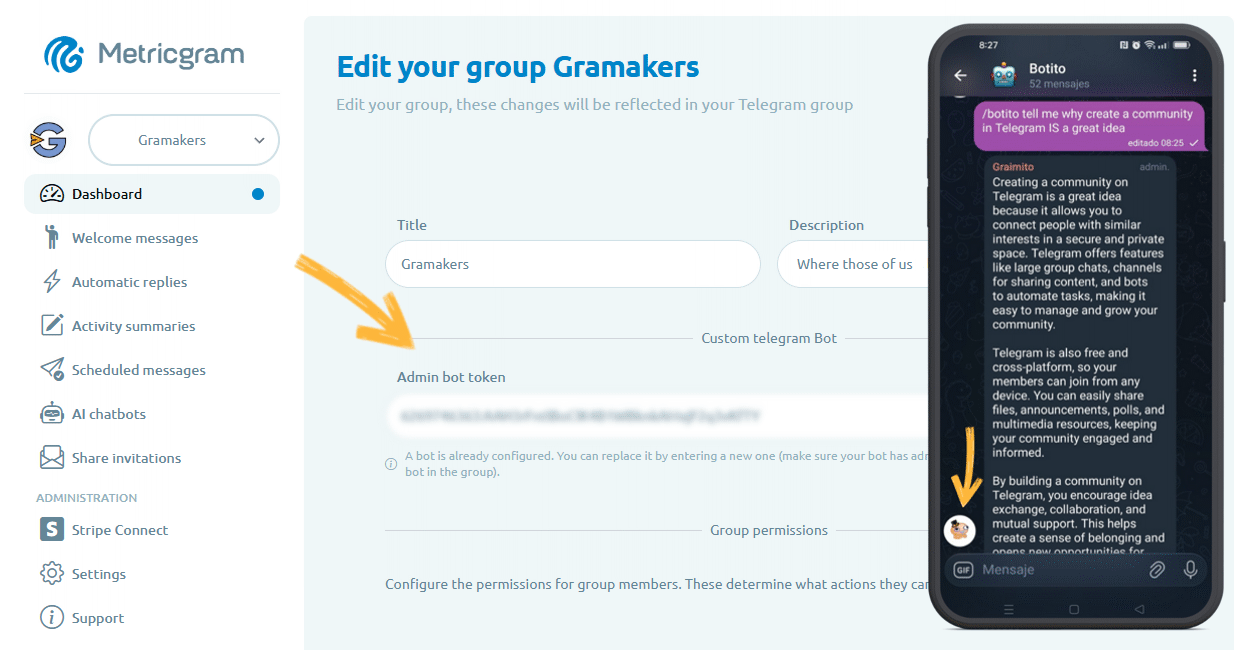
Live directory
Browse Metricgram's curated Telegram directory to find active communities by category and language, and see how leading groups position their listings.
Open directoryMini Apps are product surfaces
Telegram's current Mini Apps documentation describes them as JavaScript-powered interfaces that launch inside Telegram and can even replace a website for many workflows.
That is the right way to think about them: they are a product layer inside Telegram, not prettier commands.
That matters because many community operators still imagine bots as command-based helpers, while Mini Apps are closer to embedded workflows.
What Telegram says Mini Apps can do today
According to Telegram's official Mini Apps docs, they support:
- smooth authorization;
- payments through third-party providers;
- multiple launch surfaces inside Telegram;
- direct links and profile launches;
- mobile-first UI controls like fullscreen mode and safe-area support;
- richer app behavior that keeps evolving with new Bot API releases.
The docs also show how fast this layer changes. New methods and capabilities keep landing, so anyone planning a Mini App should treat it as a living platform, not a static feature.
Ready to improve your Telegram group? Start your 14-day Metricgram trial.
Start free trialWhere Mini Apps actually make sense
Mini Apps matter when a community has a workflow that is too clumsy for plain chat messages or basic bot commands.
Examples:
- onboarding flows with multiple steps;
- event registration or appointment booking;
- gated resources for paid members;
- self-serve account settings;
- support forms or ticket-like flows;
- product configuration, ordering, or check-in steps.
If the user journey needs structure, state, and a better interface, Mini Apps become interesting.
Where they are overkill
A lot of groups do not need a Mini App yet.
If your main problems are still:
- weak positioning;
- messy onboarding;
- unclear rules;
- missing analytics;
- repetitive moderation work;
- manual subscriber access,
then a Mini App is often the wrong first move.
A custom interface does not fix a weak operating model.
The best use case is usually funnel compression
Mini Apps are strongest when they reduce steps.
Instead of sending users:
- from Telegram to a website;
- then to an external form;
- then to another dashboard;
- then back into the group,
you can compress more of that journey inside Telegram.
That improves completion rates and reduces context switching.
The more mobile your audience is, the more valuable that compression becomes.
They still require real product thinking
Telegram's own design guidance for Mini Apps emphasizes responsive interfaces, theme awareness, smooth interaction, and respect for safe areas.
In other words, this is not a "ship an ugly wrapper and call it done" surface.
If you build one, you still need:
- a clear job to be done;
- a fast mobile flow;
- good state management;
- thoughtful edge-case handling;
- a plan for support and iteration.
Mini Apps are powerful, but they are not low-effort if you want them to feel good.
Practical Community Use Cases
For community operators, the best Mini App opportunities are usually:
- paid member activation;
- event signups;
- content unlock flows;
- lead qualification before group entry;
- member profile preferences;
- interactive resources that are awkward in chat.
The pattern is that they are structured workflows rather than plain conversations.
Where Metricgram Fits
Metricgram fits when your day-to-day problem is still operating the community itself:
- welcomes;
- activity visibility;
- subscriber management;
- recurring communication;
- access-related cleanup.
In many cases, the right sequence is:
- fix operations first;
- add a Mini App only when the user journey truly needs a product layer.
That prevents teams from overbuilding front-end complexity while the back-office community work is still broken.
What matters most
Telegram Mini Apps are real product infrastructure now, not a gimmick.
They matter when you need structured, mobile-native workflows inside Telegram.
But if your main pain is still community operations, do not build a Mini App to avoid fixing the fundamentals first.
Ready to manage your Telegram group with Metricgram?
Automate tasks, track analytics, and grow your community with a 14-day free trial. No credit card required.
Start free trialGet weekly Telegram community tips
Join community managers who receive our best tips, guides, and product updates.
You may also like
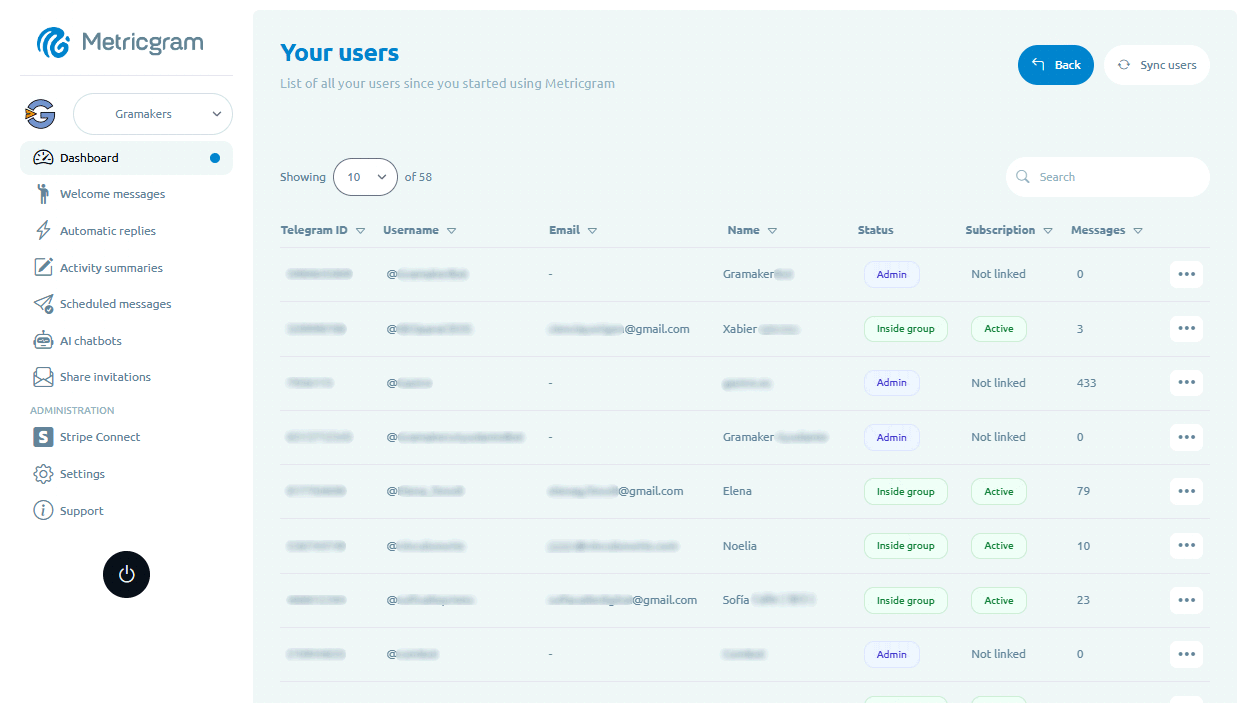
Telegram For Freelancers: How To Use It For Clients, Leads, And Community Without Creating More Admin Work
Telegram can be useful for freelancers, but only if it has a clear job. This guide explains when to use Telegram for client communication, lead nurturing, paid communities, and peer groups without turning it into operational clutter.
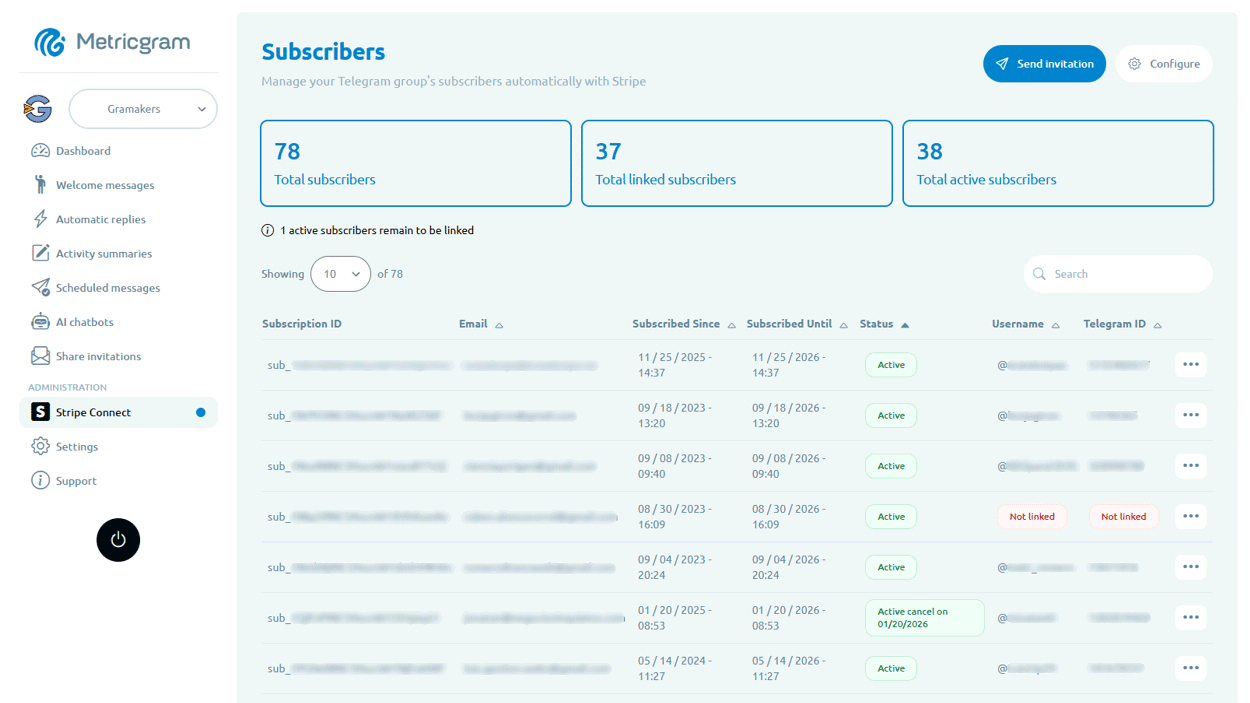
Telegram For Newsletter Creators: How To Add Community, Retention, And Paid Access Without Breaking Your Email Business
Newsletter creators should not force email to do community work. This guide explains when Telegram becomes the right live layer, how it fits with Substack, beehiiv, or Ghost, and how to operate it without manual access chaos.